Traditional Services

The traditional services and rituals connected with the Dalada Maligawa are performed by the Bikkhus of the two monastic establishments – Malwatta and Asgiriya. Each year in the month of July on the full moon (poya) day the shift in the services takes place in the presence of the Mahanayake Priests and the Diyawadana Nilame. The secretary of the Dalada Maligawa along with the priests documents all the goods and other connected data for the handing over.

The Mahanayakes select three priests from their Temple to perform the duties of the Dalada Maligawa. This delegation of authority has a long standing history. It is also said that the services rendered to the Sacred Tooth Relic are in keeping with the services rendered to Lord Buddha by Revd.Ananda Thera. These traditions had been followed even by the Kings from ancient times. The priests are assisted by a host of staff attached to the Dalada Maligawa.

Three main services are performed each day at 5.30-7.00 a.m., 9.30-11.00 a.m., 6.30-8.00 p.m. In the morning Heeldane (alms) is offered after clearing the Inner Chamber of faded flowers offered the previous evening and a new offering done. At noon too alms are offered. In the evening it is Gilanpasa comprising several juice extracts. Pilgrims who are in the premises during these periods are able to pay homage to the Sacred Relic placed in the Inner Chamber.

Whilst the above services (Thewawa) are performed there is continuous dumming (Hewisi) performed by four traditional groups of Drummers. They are the Ihala Dolospattuwa (from Mawatagama and other places in Kurunegala District) Pahala Dolospattuwa (from Hiriyala Hathpattuwe and related places) Dumbara and Matale. This tradition had been existing since the times of the Yapahuwa Kings. Today it is the Diyawada Nilame who invites them.

The Nanuwara Mangalya.

Every Wednesday this ritual is performed by the priests in charge of the Thewawa. The medicinal extracts used in this ritual are distributed amongst the pilgrims after the performance. During the times of the Kings the water from the Heelpen Kandura (stream) had been used for this particular service.


Home
Kandy City
Municipal Council
Heritage Commitee
Arts & Crafts
Festival
News & Events
Inquiry
 
.City Map

.


Festivals connected with the Dalada Maligawa.
January full moon day - Aluth Sahal Mangalya (Rice from the new harvest is offered to the Maligawa)
April - New Year
May - Vesak - Perahera Upasampada ceremonies
(Higher Ordination)

June - Poson Perahera
July/August - Esala Perahera
November - kartika Mangalya

Kandy Esala Perahera

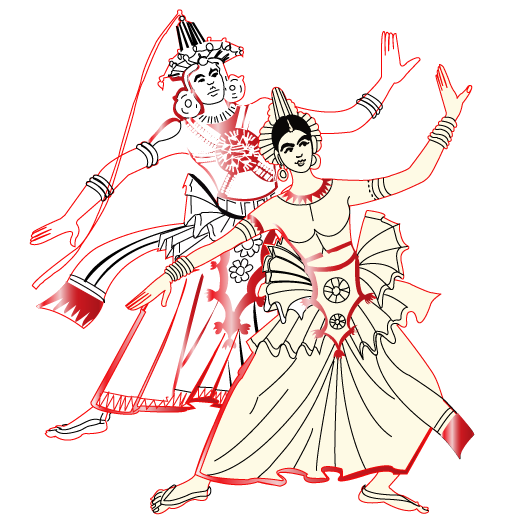
The Esala Perahara held in Kandy is one of Asia’s most outstanding pageants and few can compare with it in antiquity, grandeur and splendor. It is held annually in July/August for ten days depending on the phases of the moon. Traditional dancers, drummers, caparisoned elephants, Kandyan Chieftains (Nilames) parade the streets of Kandy. Until the reign of King Keerthi Sri Rajasinghe (1747-1781) this pageant was performed by the Dalada Maligawa. In very early times the Sacred Tooth Relic was also paraded to bring Peace and Prosperity to our country. King Keerthi Sri Rajasinghe invited the four Devales to join this pageant. Since then we have five processions – Dalada Maligawa, Natha Devala, Vishnu Devala, Kataragama Devala and Paththini Devala joining in with their Basnayake Nilames giving the leadership to the processions. People from all over the world witness this great pageant each night with devotion and awe. The Esala Perehera could be considered cultural symbol of Kandy and Sri Lanka.