Kandy, the cultural capital of Sri Lanka, is not only known for its historical landmarks, sacred temples, and scenic beauty, but it is also home to some of the most intricate and exquisite wood carving traditions in the country. Wood carving in Kandy holds a significant place in Sri Lankan art, reflecting centuries-old skills passed down through generations. Whether you're a culture enthusiast, an art lover, or simply seeking a unique souvenir, exploring the world of wood carving in Kandy is a must during your visit.
The Rich Tradition of Wood Carving in Kandy
Wood carving in Kandy is a manifestation of Sri Lanka's rich cultural heritage. The tradition dates back to the time of the ancient Kandyan Kingdom, which was known for its unique artistic styles. The wood used in Kandy’s traditional carvings comes from the island’s indigenous tree species, with hardwoods like jak and bamboo being commonly used for their durability and beautiful grain.
Kandy wood carvings are often religious in nature, depicting images of Buddha, Devas, and scenes from Buddhist mythology. However, these carvings also feature motifs of nature, such as flowers, trees, and animals, which are inspired by the lush surroundings of the hill country. The intricate carvings are seen in temples, palaces, homes, and monuments, serving both decorative and functional purposes. Notable examples can be found in the Temple of the Tooth (Dalada Maligawa) and various Buddhist shrines across the region.
The Artistic Craftsmanship
Kandy wood carving is renowned for its detailed, delicate, and highly ornate designs. The work is typically carried out by skilled artisans known as “vidyadhara” or woodworkers, whose work requires precision, patience, and an acute sense of artistry. The artisans use traditional hand tools passed down through generations, such as chisels, gouges, and mallets, to carve stunning pieces of art.
One of the distinctive features of Kandy wood carvings is the intricate patterns that cover the surfaces, ranging from floral motifs to geometric shapes. This level of detail is a hallmark of Kandyan craftsmanship and speaks to the region’s cultural importance. These carvings often tell stories or convey religious symbols that have deep spiritual significance.
The Kandyan style of wood carving is primarily influenced by Buddhist traditions, but over time, it has incorporated elements from other cultural influences, particularly those from Indian and Southeast Asian art. This blend of traditions has helped shape the unique style that Kandy wood carving is known for today.
Kandy’s Wood Carving Shops: Where Tradition Meets Craftsmanship
While exploring Kandy, visitors have the chance to witness the wood carving tradition firsthand by visiting local workshops and galleries. These workshops, often family-owned, offer a window into the intricate process of carving and finishing wooden pieces. Skilled artisans work diligently, producing a variety of objects, from furniture and statues to decorative items and souvenirs.
The Kandy market, particularly around Dalada Veediya (the road near the Temple of the Tooth), is a great place to find wood-carved pieces. Local shops display a wide range of products, including hand-carved wooden Buddha statues, prayer beads, and intricately designed frames, each with its own level of intricacy and storytelling.
For those interested in learning more about the art form, some workshops even allow visitors to participate in the carving process, giving tourists the opportunity to try their hand at this timeless craft. Many of these shops offer guided tours that explain the significance of the carvings, their cultural relevance, and the skills required to create them.
Must-Visit Attractions to Explore the Wood Carving Art in Kandy
Temple of the Tooth Relic (Dalada Maligawa):
This sacred temple is not only a religious center for Buddhists but also a fantastic example of wood carving craftsmanship. The intricate wooden doors and panels around the temple, as well as the sacred wooden throne that houses the Tooth Relic, reflect the pinnacle of Kandy’s wood carving artistry. The royal palace and audience hall within the temple complex also showcase stunning wooden structures.
Royal Palace of Kandy:
Located within the Kandy temple complex, the Royal Palace is home to some of the finest examples of Kandy wood carving, with its beautifully carved windows, doors, and furniture. Visitors can take a walk through the palace and see firsthand the fine details that went into the woodwork, which remains an essential aspect of Kandyan architecture.
Peradeniya Botanical Gardens:
A short drive from Kandy, the Peradeniya Botanical Gardens is another place where you can appreciate the connection between nature and wood carving. The gardens feature wooden carvings inspired by the flora and fauna that call the region home. For those who want to take a piece of Sri Lanka’s natural beauty home, this is a wonderful place to explore local handicrafts.
Kandy Market and Craftsmen Workshops:
For a more hands-on experience, head to the Kandy Market or nearby workshops. These areas are filled with artisans creating wood carvings in front of you, allowing you to see the craft in action. You can observe how raw timber is transformed into fine art, and buy wooden souvenirs as reminders of your trip to Kandy.
Gadaladeniya Viharaya:
The Gadaladeniya Viharaya is an ancient temple near Kandy that houses some of the most exquisite wood carvings found in Sri Lanka. The temple features wooden doors and frames that are beautifully detailed, depicting religious and mythical scenes. The craftsmanship in this temple offers visitors a glimpse into the past and is a must-see for those interested in Kandy’s wood carving heritage.
The Wood Carving Experience: From Raw Timber to Artistic Masterpiece
The process of wood carving in Kandy involves several steps, each requiring precision and skill. The journey begins with selecting the right wood, which is carefully sourced from local trees such as jak, coconut, and rosewood. The artisans then sketch the design on the wood, mapping out intricate details that will eventually be carved by hand. Each piece is painstakingly shaped and smoothed to reveal its final form.
Once the basic carving is complete, the piece undergoes several finishing stages, which include polishing and sometimes painting or gilding. Vibrant colors, such as red, gold, and green, are often used to highlight certain parts of the design, especially in religious items like Buddha statues and altar pieces.
The final product is not just a work of art; it is a piece of history and culture that carries the soul of Kandy’s traditions. These works are often passed down as family heirlooms and are highly prized by both locals and tourists alike.
Souvenirs and Gifts: Take a Piece of Kandy Home
No visit to Kandy is complete without picking up a souvenir that reflects the city’s rich cultural heritage. Wood carvings make the perfect gift or keepsake. Popular items include:
- Buddha statues: Intricately carved, these pieces serve as spiritual symbols and reminders of the island’s Buddhist heritage.
- Wooden trays and frames: Many shops offer beautifully crafted wooden frames that display traditional Kandy artwork or photographs.
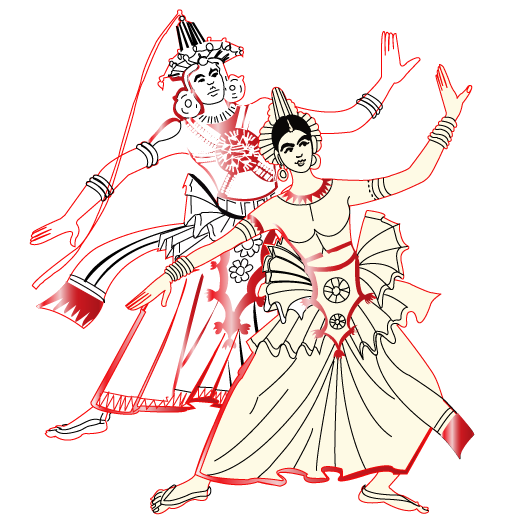
- Ornamental carvings: Smaller items like decorative elephants, traditional dancers, and nature-inspired carvings can be found at many local shops.
These items are not only beautiful but also carry a deep cultural significance, making them meaningful souvenirs to take back from your Sri Lankan journey.
Tips for Visiting Kandy’s Wood Carving Workshops
- Timing Your Visit: Many workshops in Kandy are open during regular business hours, but it is best to visit them in the early morning to see artisans at work before they get too busy with customers.
- Bargaining: It is common to haggle a bit in the local markets. Don’t hesitate to ask for a reasonable price, especially if you plan to buy several items.
- Respect the Craft: If you have the chance to visit an artisan’s workshop, be sure to show appreciation for the craftsmanship. A genuine interest in their work will often lead to more personal and insightful conversations about the art form.